The pmsims package: What, Why and How?
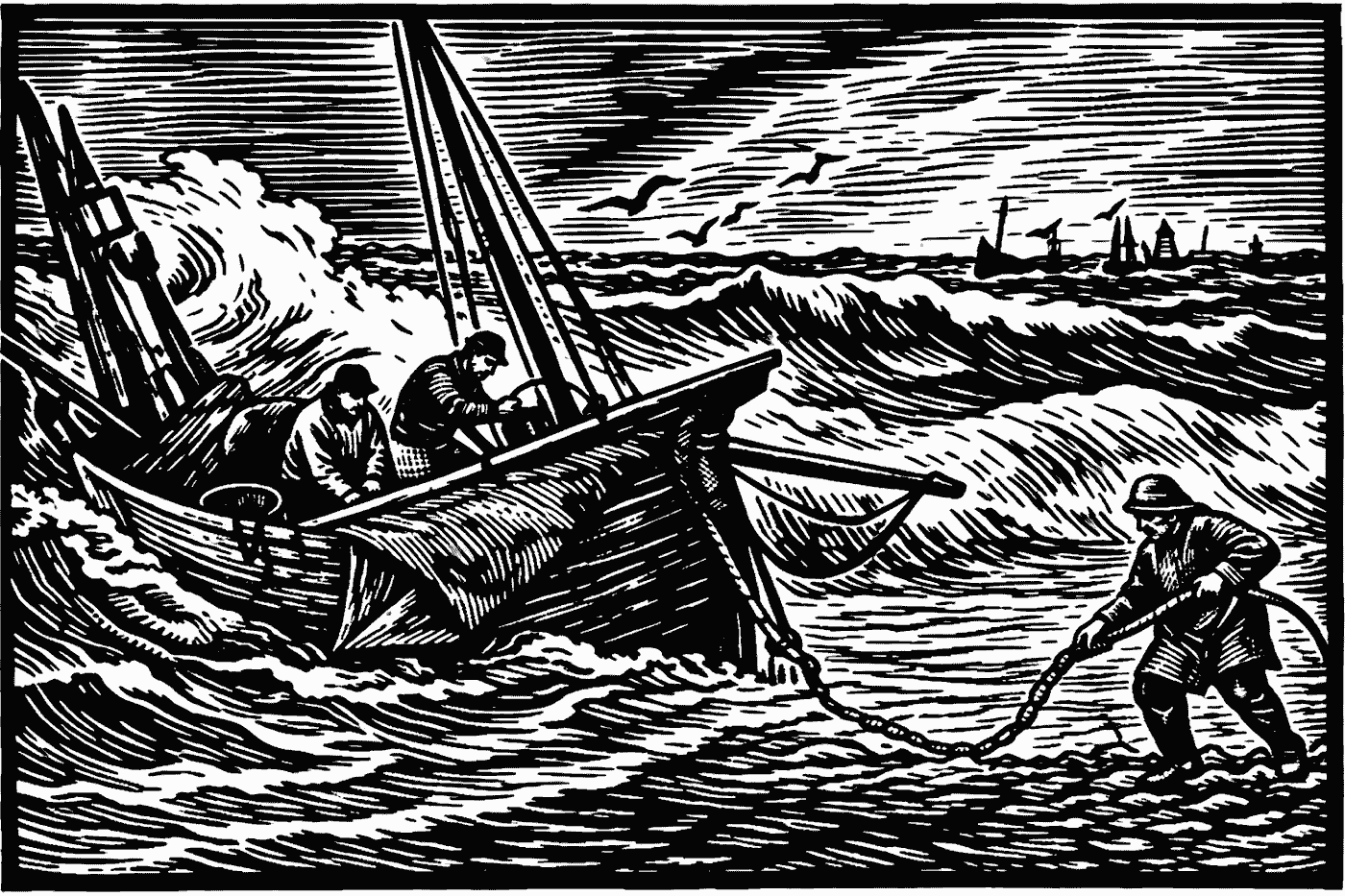
When we build a prediction model, say, to forecast someone’s risk of developing psychosis, we are like a captain preparing for a long voyage. We need a sturdy vessel, but we also need to know how many sailors to bring along. In prediction modelling terms, those sailors are our data, and the question becomes: How much data (sailors) is enough to navigate the unknown waters of new, unseen cases (individual people who may be at risk of developing psychosis)?
This is not a simple question. Even if we set sail with what looks like the same number of crew members, two voyages can unfold quite differently. Likewise, two sets of data of the same size can produce prediction models of very different strengths. Some models glide smoothly; others falter, not because they are flawed, but because the winds of chance push them along different paths.
pmsims is a tool built to guide us through this uncertainty. Instead of relying on overly simplistic rules or old sailors’ tales, it repeatedly draws new crews from an assumed world and launches the same boat design again and again, observing how often the voyage goes well. From each of these assumed worlds, pmsims creates a predictive model, watching how it grows stronger as the “crew size” (the size of the dataset) becomes larger.
What sets pmsims apart is not just the number of worlds it imagines, but the way it listens to them. It does not only ask, “How good is the average model?” Instead, it asks something more practical, more human:
“If we set sail with this number of sailors (amount of data), how often will the journey go well?”
In other words, it looks for predictive models that perform well most of the time, for example, in eight out of ten voyages, rather than just on average. By charting these imagined journeys, pmsims finds the size of a set of data that gives us confidence—confidence that when we build a predictive model in the real world, it will not just be strong in theory, but steady in practice, across the shifting tides of chance.